Emergency Tree Removal Metairie: Fast Help After Storm Damage
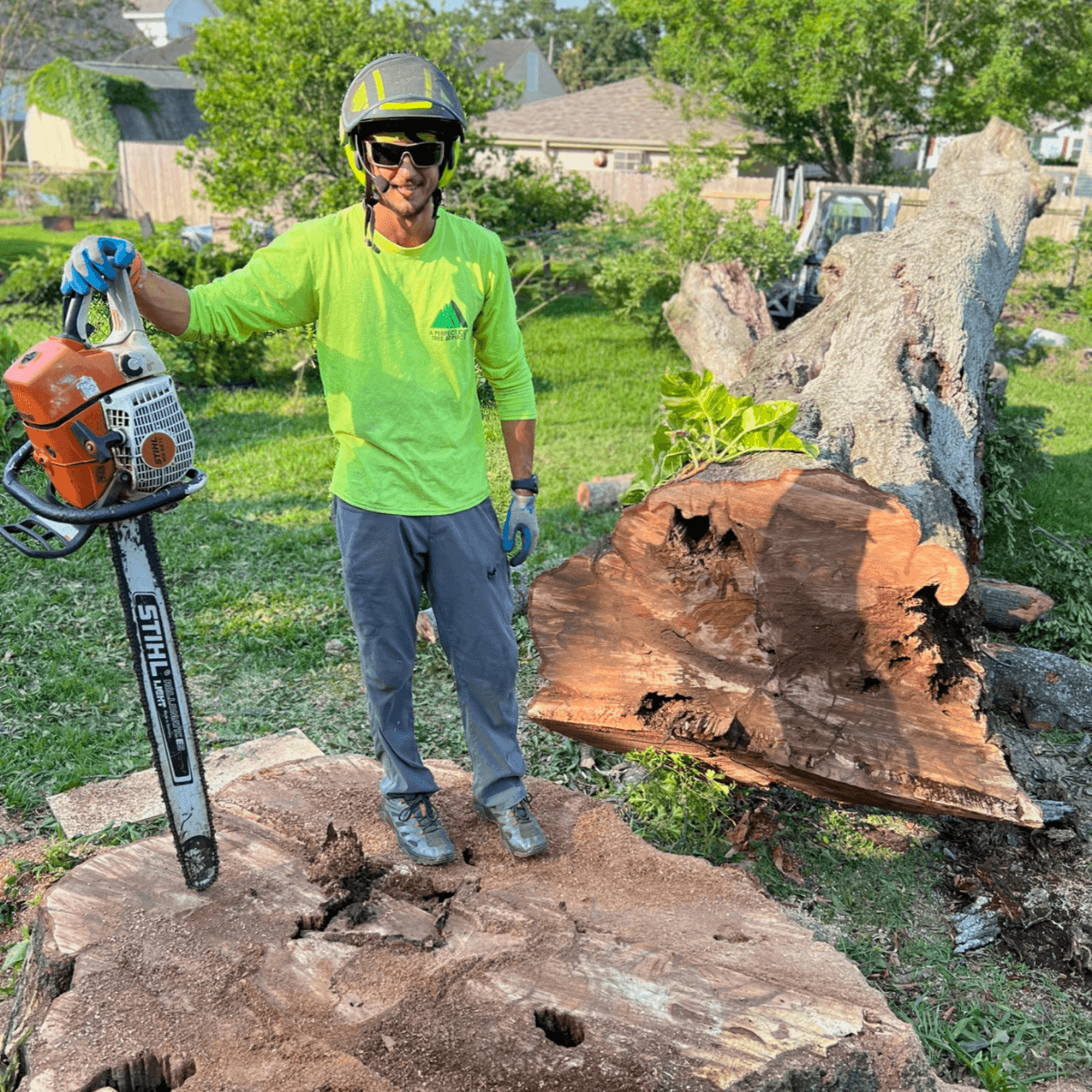
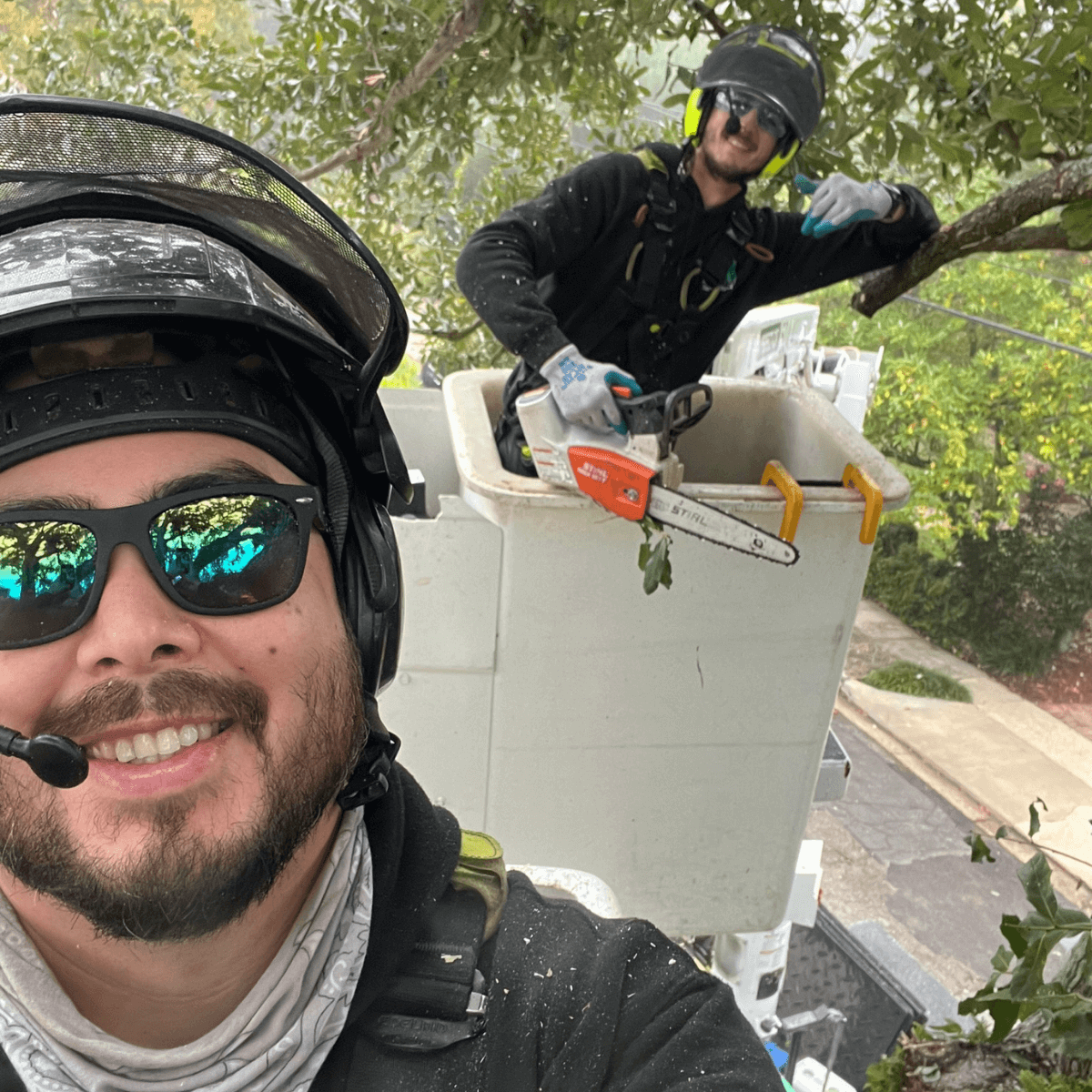

Storm season has a way of turning an ordinary yard into a hazard zone overnight. In Metairie, one hard wind event can leave a water oak split over a driveway, a pine leaning into utility lines, or a heavy limb punched through a roof before sunrise. When that happens, speed matters, but so does judgment. Emergency tree work is not the same as routine trimming. It is messier, riskier, and often done under pressure, with limited access, unstable wood, standing water, and anxious property owners who need clear answers fast.
Anyone searching for tree removal Metairie after a storm is usually not browsing casually. They are trying to figure out whether that cracked trunk can wait, whether the tree on the garage will shift again, whether they should touch anything at all, and how to protect their family and home before the next rain band rolls through. Those are practical questions, and they deserve practical answers.
What counts as a tree emergency in Metairie
Not every broken branch is an emergency, even if it looks dramatic from the street. A limb down in the back corner of the yard can often wait for standard service. A tree that is resting on a roof, blocking a road, uprooted near a gas meter, or tangled with power lines is a different matter entirely.
In South Louisiana, emergency calls tend to cluster around a few familiar scenarios. Saturated soil loosens root plates. Wind catches broad canopies and twists trunks along old weak points. Decay that was hidden in the main stem suddenly reveals itself in a jagged split. Sometimes the storm is only the trigger. The actual failure started years earlier with compaction, poor pruning cuts, fungal rot, lightning damage, or roots compromised during construction.
The most urgent situations usually involve one or more of three conditions: active movement, structural loading, or contact with utilities. Active movement means the tree or limb is still shifting. Structural loading means the wood is held in place by a roof, fence, vehicle, or another tree, storing energy that can release without warning. Utility contact is self-explanatory and never a do-it-yourself situation.
A common mistake is assuming a tree is stable because it has stopped moving by the time you walk outside. Fresh failures can settle into a dangerous position and look strangely calm. A suspended limb may stay put for hours, then slide when the temperature changes or someone tugs on debris below it. Experience teaches you to distrust anything broken, bent, split, or partially attached after a storm.
Why storm-damaged trees in this area fail differently
Metairie presents a specific set of challenges. The soil profile, drainage conditions, lot layouts, and species mix all influence how tree emergencies unfold. Many residential properties have mature shade trees growing close to homes, fences, patios, sheds, and driveways. Space is tight. Access for equipment can be limited. Backyard removals often require more rigging and more labor than homeowners expect.
Water is another factor. After heavy rain, root systems can lose holding power fast, especially in shallow-rooted or already stressed trees. You may see a mound of lifted soil on one side of the trunk, cracks radiating through the lawn, or a subtle lean that was not there before. Those are not cosmetic changes. They can signal imminent failure.
Species matter too. Water oaks grow fast and provide generous shade, but mature specimens often develop internal decay or weak branch unions, particularly if they were topped or poorly pruned years ago. Bradford pears, where they still exist, are notorious for splitting. Pines can snap or uproot in saturated ground. Live oaks are resilient, but even they can fail under severe wind loading or after root disturbance.
That local reality is why emergency response has to be more than chainsaws and tarps. It requires someone who can read the failure pattern and choose the safest order of operations.
The first hour after storm damage
The first hour is usually chaotic. There may be active rain, limited visibility, downed lines in the neighborhood, and adrenaline pushing people to start cleaning before they have assessed the risks. That is when bad decisions happen. I have seen homeowners try to drag limbs off a roof, cut tensioned branches with a homeowner saw, or stand beneath a half-split trunk to get a better photo for insurance. None of that is worth the risk.
A calm first response protects people and often prevents more property damage. If the tree is touching utility lines or has brought lines down, stay away and contact the utility provider immediately. If the tree has damaged the house, focus on safety inside as well. Water intrusion, broken glass, compromised ceilings, and exposed wiring can create secondary hazards.
The safest immediate actions are simple:
- Keep everyone clear of the damaged tree and the drop zone around it.
- Do not cut, climb, or pull on any storm-damaged wood.
- Call the power company first if lines are involved, then contact an emergency tree service.
- Photograph the damage from a safe distance for insurance purposes.
- If safe to do so, move vehicles or valuables out of the area, not under or near the tree.
That list looks basic, but it covers the decisions that matter most in the opening moments. The impulse to clean up is understandable. The smarter move is to stabilize the scene and let trained crews handle the loaded wood.
What an emergency tree crew is actually doing when they arrive
From the outside, emergency removal can look like controlled chaos. Trucks, ropes, saws, hard hats, traffic cones, and a lot of quick conversation. Underneath that, the good crews are making a series of technical decisions in real time.
The first task is hazard assessment. They are looking at lean, root movement, compression points, utility proximity, roof contact, decay pockets, and where the weight of the tree is currently supported. A trunk split down the center behaves differently from an uprooted tree hung in a neighboring oak. A limb laid lightly on shingles is handled differently from one that has punched through decking and become pinned by rafters.
Then comes access planning. Can equipment reach the tree without tearing up drainage, fencing, or underground systems? Is a bucket truck possible, or will the crew need to climb? Can pieces be lowered safely with ropes, or is a crane the right tool? In tight Metairie neighborhoods, these choices matter. There is not much room for error when houses sit close together and side yards are narrow.
The removal itself is usually done in pieces, not in one dramatic fall. That is especially true when the tree is on a structure. Weight is reduced gradually, with each cut chosen to control movement and avoid shock-loading the roof or the remaining stem. In some cases, the emergency phase stops once the immediate hazard is removed and the structure is no longer under active threat. Full cleanup, stump work, or noncritical pruning may happen later, after the site is safe and the insurance process has started.
Why homeowners should be cautious with “fast” promises
After a major storm, every company in the region says it offers rapid response. Some absolutely do. Some are honest but overwhelmed. Some are little more than a pickup truck, a saw, and a social media ad. In the emergency window, homeowners often feel forced to choose whoever answers first. That is understandable, but it helps to know what separates capable emergency service from improvised storm chasing.
A legitimate tree service should be able to explain how it will handle the hazard, not just how quickly it can get there. It should recognize when power company clearance is required before any cutting begins. It should be prepared for rigging, roof protection, and controlled dismantling, not just rough cutting. It should also communicate clearly about what is included in the emergency response and what may be billed separately later.
Price is difficult during storm response because no one can quote responsibly without seeing the failure. Costs depend on size, access, equipment needs, complexity, disposal, and whether the tree is simply blocking a driveway or sitting on a house. Homeowners get frustrated when they hear ranges instead of fixed numbers, but in emergency tree work, broad estimates are often the honest answer until a crew has eyes on the site.
Signs the tree may fail further before help arrives
Sometimes the question tree removal metairie is not whether the tree is damaged, but whether it can wait until morning. No one can diagnose a tree perfectly from a photo or a quick glance in fading light, but there are warning signs that raise the level of urgency.
- Fresh soil heaving or lifted roots around the base.
- Long vertical cracks in the trunk or a trunk that has split into separate stems.
- A new lean, especially if the canopy is over a home, driveway, or neighbor’s property.
- Limbs hanging by bark strips or partially detached at the union.
- Popping sounds, shifting, or visible movement even in lighter wind.
If any of those conditions are present, the safest assumption is that the tree is unstable. Waiting may still be necessary if severe weather is ongoing or utilities have not yet cleared the area, but the site should be treated as an active hazard, not a cleanup project.
Roof damage changes the whole job
When a tree lands on a roof, tree removal and property protection become inseparable. The wrong cut can turn a contained problem into major structural failure. I have seen cases where a large limb looked like it was barely touching a roofline, but once the outer branches were removed, the remaining section shifted and drove deeper into the decking because its weight had been redistributed.
That is why emergency tree crews often coordinate closely with roofers, restoration contractors, or the property owner’s insurance representative. The immediate goal is not always full removal in one pass. It may be controlled weight reduction, temporary weather protection, and stabilization until roofing professionals can assess the structure. In the best situations, everyone works from the same sequence: remove active hazards, prevent more water intrusion, document the damage, then move into repair.
For homeowners, this can feel slow compared to the urgency of the moment. In reality, controlled pace is often what prevents thousands in additional damage. Fast help does not mean rushed cuts. It means the right crew gets there quickly and makes disciplined decisions.
The insurance side, without the confusion
Insurance questions start almost immediately after storm damage, and the answers are not always straightforward. Policies vary, deductibles vary, and carriers handle tree-related claims differently depending on what the tree struck and where it originated. A tree that simply falls in the yard may be treated differently than a tree that damages a covered structure. Debris removal coverage can have separate limits. Fences, detached structures, and vehicles may all be handled under different parts of a policy.
That uncertainty is why documentation matters. Take clear photos from safe angles before work begins, if doing so does not place you near the hazard. Keep records of calls, estimates, invoices, and emergency mitigation work such as tarping. If the crew observes conditions that help explain the failure, such as a split trunk, exposed root failure, or visible decay, ask them to note that on the invoice or service summary if appropriate. They should not speculate beyond what they can actually see, but factual descriptions can help.
Homeowners are often surprised to learn that cleanup standards also matter. Insurance may cover removal of the tree from the house, but not full landscape restoration. Or it may cover debris removal to a point, with the rest becoming an out-of-pocket decision. Clear communication before work starts helps prevent disputes later.
Why DIY storm cleanup becomes dangerous so quickly
Routine pruning with hand tools is one thing. Storm-damaged tree cutting is another world. The difference is stored energy. Branches under tension or compression can spring, roll, split, or kick a saw back with surprising force. A trunk that is pinned on one side may collapse when a small supporting limb is removed. A root plate can settle suddenly. Even experienced operators get humbled by storm wood.
Homeowners often focus on the visible problem and miss the hidden loads. A branch lodged in another tree may look light enough to pull down with a rope. That same branch may be twisted under pressure and release sideways when the cut opens. Add wet ground, slippery bark, extension cords, roof edges, and fatigue from the storm itself, and you have a setup for serious injury.
One of the clearest markers of professional emergency work is restraint. Good crews do not rush into a cut because the piece looks obvious. They stop, look, test, reposition, and cut with a plan for what the wood will do next. That patience is hard-earned, and it is the reason trained help is worth calling.
Preventing the next emergency starts long before the next storm
Emergency tree removal is reactive by nature, but many of the worst failures show warning signs long before weather exposes them. The challenge is that those signs are easy to normalize when you see them every day. A cavity slowly widens. A branch union carries included bark for years. Mushrooms appear near the base one wet season, disappear, then return. The tree still leafs out, so it gets left alone.
Preventive care does not guarantee a tree will survive every storm, but it can shift the odds significantly. Selective pruning to reduce overextended limbs, removal of deadwood, inspection of mature trees near structures, and attention to root zone disturbance all matter. So does species selection. Planting a fast-growing tree too close to a home often creates a predictable emergency fifteen or twenty years later.
For homeowners in Metairie, especially those with large shade trees near roofs or driveways, periodic assessment is one of the smartest forms of storm preparation. The goal is not to strip the yard of mature trees. Good trees add shade, value, and character. The goal is to identify the ones that are declining, poorly structured, or planted in the wrong place before they choose a stormy night to announce it.
What to expect from tree removal in Metairie after a regional storm
After a widespread event, even excellent companies can face long queues. Roads may be blocked. Fuel can be tight. Crews may have to prioritize homes with occupied structures, medical needs, or utility hazards before they move to less critical calls. That does not mean your call is being ignored. It means triage is happening across the parish.
This is where clear information helps. When you call, be ready to describe the size of the tree, whether it is on a structure, whether power lines are involved, whether access is blocked, and whether the tree is still moving or leaning. Good information helps the dispatcher rank the job properly and send the right equipment the first time.
It also helps to understand the phases of response. The tree removal metairie emergency phase is about making the site safe. The restoration phase is about complete debris removal, stump grinding, finish pruning, fence repair access, and cosmetic cleanup. During a busy storm cycle, those phases may happen on different days. That is normal.
Choosing calm over panic
The emotional side of tree emergencies is real. A damaged tree can make a home feel exposed in a way few other problems do. The sound alone, branches scraping shingles, the crack of a split trunk, can leave people rattled for days. Fast help matters partly because it restores a sense of control.
That said, the fastest path to a safe outcome is rarely panic. It is measured action. Keep people back. Respect utility hazards. Document what you can. Call a qualified emergency service. Ask direct questions. Let trained crews do the dangerous part.
For anyone facing storm damage and searching urgently for tree removal Metairie, the best result comes from balancing speed with skill. Storm work is not just about removing wood. It is about protecting roofs, driveways, vehicles, fences, and most importantly, the people who live around them. In Metairie, where weather can turn quickly and tree failures often happen close to homes, that distinction matters.
When the storm passes and daylight returns, the yard may look salvageable or overwhelming. Either way, the right response begins with an honest read of the hazard. Some trees need cleanup. Some need pruning. Some need to come down immediately. Knowing the difference is what professional emergency tree service is really for.
A Perfect Cut Tree Service
4725 Shores Dr, Metairie, LA 70006
+1 504-732-0779
FAQ About tree removal metairie
What is the average cost of tree removal in my area?
There is no single price that fits every tree. Size, condition, access, nearby structures, equipment, debris hauling and stump work affect the estimate. Request a written, site-specific quote that identifies what is included.
Who will remove trees for free?
Free removal is not generally available for ordinary private-property tree work. Utilities or public agencies may handle trees within their responsibilities. Confirm eligibility directly and do not assume that an offer or assistance program covers your tree.
Can I just cut down a tree in my yard?
Check ownership, location and local requirements first. Jefferson Parish requires a permit for removal of qualifying vegetation in the public right-of-way, and additional protections may apply in designated areas. Ask the parish about your property and have a qualified tree professional assess the work.