Tree Removal Metairie Costs: What Homeowners Should Know
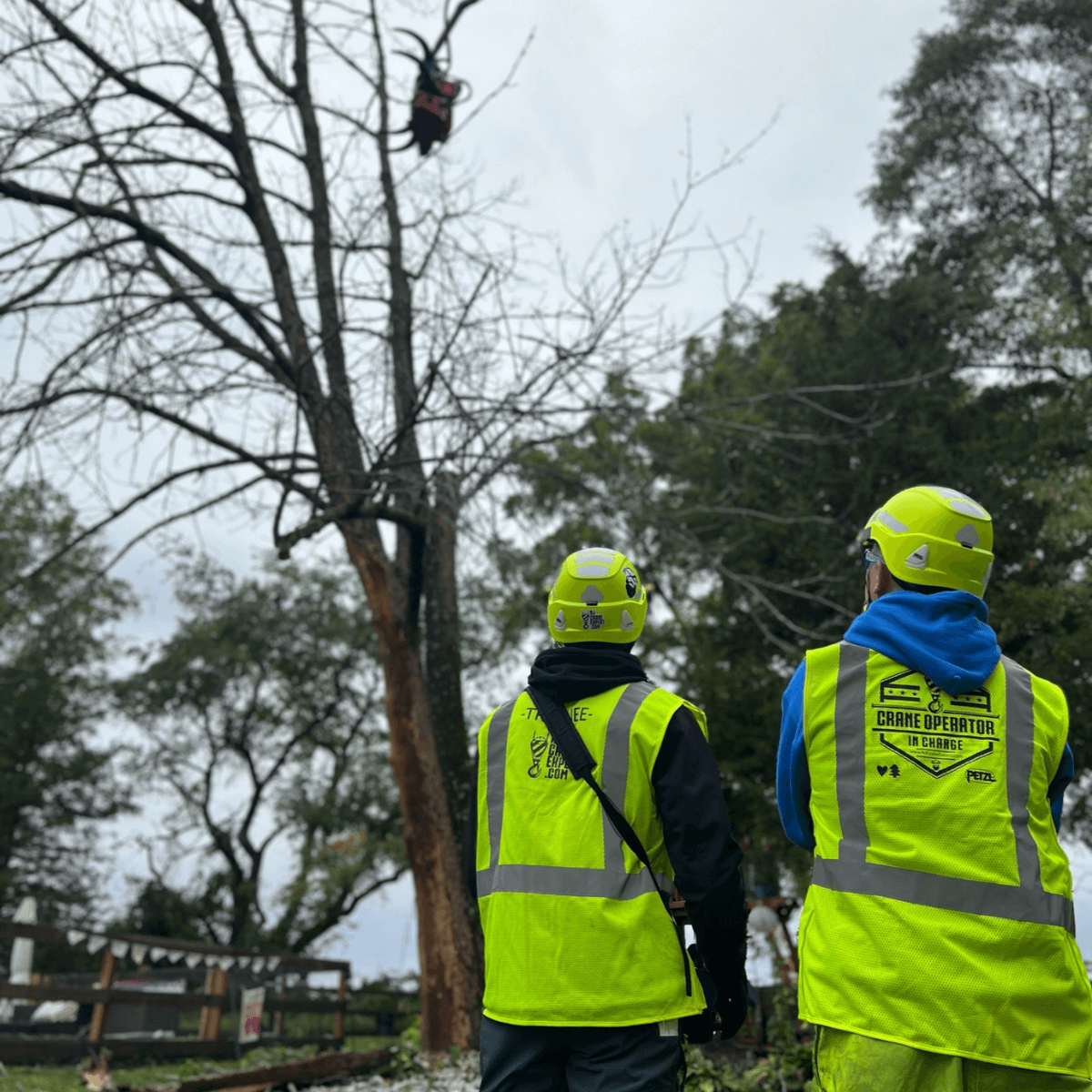
If you have never had a tree removed, the first quote can feel all over the map. One company says a tree will cost a few hundred dollars. Another says a few thousand. Both may be reasonable. The difference usually comes down to risk, access, equipment, cleanup, and how much of the tree can be dropped in one piece versus dismantled section by section.
That matters in Metairie, where mature oaks, storm damage, tight lot lines, overhead utilities, and older neighborhoods can turn a straightforward removal into a technical job. Homeowners often start with one question, what does tree removal metairie actually cost? The better question is what drives the price, and which of those cost factors apply to your property.
A tree crew is not just selling chainsaw time. You are paying for labor, insurance, experience, equipment, traffic control when needed, debris handling, and the judgment to bring a tree down without damaging a roof, fence, driveway, power line, or neighboring yard. When people understand those moving parts, estimates stop feeling random.
Why prices vary so much from one yard to the next
A healthy, medium-size tree in an open front yard is one kind of project. A dead water oak leaning over a house after heavy rain is something else entirely. Both are called tree removal, but the work is not comparable.
In Metairie, one of the biggest cost drivers is space. Many homes sit on compact lots. Fences, sheds, air conditioning units, parked vehicles, and neighboring structures leave little margin for error. If the crew cannot safely fell the tree in one direction, they have to climb it or use a lift, remove it in pieces, and lower each section with rigging. That adds time, manpower, and liability.
Storm history also plays a role. Trees damaged by wind or saturated soil can be unpredictable. A cracked trunk or hanging limb may look manageable from the ground, but once a climber gets into the canopy, the crew may need a slower and more controlled approach. That is one reason emergency work usually costs more than scheduled removals.
Species matters too. In this area, broad-canopy hardwoods can be especially labor-intensive because of size, density, and branch spread. A tall pine with clear access may be easier to remove than a shorter live oak draped over a carport. Height alone does not tell the whole story.
Typical price ranges homeowners can expect
It would be misleading to give one flat number for tree removal metairie, because estimates depend heavily on site conditions. Still, some practical ranges can help frame expectations.
A smaller tree, roughly under 30 feet, with easy access and no major hazards, might run from a few hundred dollars to around $1,000. A medium tree in the 30 to 60 foot range often lands somewhere between $800 and $2,000. Large trees, especially mature oaks or trees close to structures, can climb from $2,000 to $5,000 or more. Once a crane, urgent storm response, or complex rigging enters the picture, the total can move well beyond those ranges.
Those numbers usually cover cutting the tree down and removing debris, but not always the stump. Stump grinding is commonly priced separately. That surprises homeowners all the time, especially when they assume “full removal” means root flare and stump disappear too. It rarely does unless the quote states it clearly.
What skews estimates upward most often is not tree height. It is the combination of poor access, high-risk placement, and cleanup volume. I have seen medium-size trees cost more than larger ones simply because there was no direct path for equipment and every piece had to be carried out by hand through a narrow side yard.
The cost factors that matter most
When a reputable company builds an estimate, they usually assess several things at once:
- tree size, spread, and species
- condition of the tree, including rot, storm damage, or dead limbs
- proximity to roofs, fences, utility lines, and neighboring property
- access for trucks, chippers, climbers, lifts, or cranes
- scope of cleanup, including hauling, stump grinding, and wood removal
That list may look simple, but each item can change the work plan. For example, access sounds minor until you realize a crew cannot get a bucket truck into the backyard. Now the job may require climbing, roping down limbs, and protecting landscape features manually. The time difference can be dramatic.
Condition is another one homeowners underestimate. A tree that is already dead is not always easier to remove. Dead wood can be brittle. Rotten sections may not hold a climber safely. Some companies will use heavier equipment or more cautious methods, and the estimate reflects that.
Then there is disposal. A large canopy produces an astonishing amount of brush and wood. If you have ever watched a chipper run for hours after a removal, you know where part of the price goes. Hauling costs, dump fees, fuel, and labor all factor in.
Access can change the quote more than the tree itself
One of the clearest examples comes from backyard removals in older parts of Metairie. Imagine two identical trees. One stands in a front yard with a wide driveway and clear street access. The other is behind a locked gate, with overhead service lines, a swimming pool on one side, and a wooden fence on the other. The second tree will almost always cost more.
Crews need room to work safely. They need a place to stage logs, feed brush into a chipper, and maneuver ropes or equipment. If everything has to pass through a narrow opening, labor increases fast. And because tree work is physically demanding, extra handling is not a small surcharge. It can be one of the biggest line items.
Crane work is a special category. On some properties, a crane is the safest and most efficient option. It allows large sections to be lifted away from the house instead of pieced down slowly over a roofline. Crane removals can be expensive, but they are sometimes the most cost-effective solution when you consider reduced labor hours and lower risk of property damage. A low quote that skips the safer method is not automatically a better deal.
Emergency removals cost more, and usually for good reason
After storms, homeowners often feel sticker shock. A tree that might have cost far less under normal scheduling suddenly comes with a premium. That increase usually reflects real conditions, not opportunism, although there are certainly bad actors in every emergency market.
Emergency crews work around unstable trees, downed limbs, blocked driveways, damaged roofs, and saturated ground. They may respond at odd hours or in the middle of a high-demand period when dozens of properties need immediate help. Insurance, overtime, equipment wear, and the danger level all increase.
There is also a difference between true emergency removal and urgent but non-emergency work. If a tree is on a house, blocking access, or actively threatening utilities, you will likely pay more. If the tree is damaged but still stable enough to schedule for the next business day, the price may moderate. A good company will explain that distinction.
What is usually included, and what is often extra
The phrase “tree removal” sounds complete, but contracts vary. One proposal may include cutting, hauling, raking, and basic cleanup. Another may only include dropping the tree and leaving the wood stacked. That is why two estimates that look far apart on price may not be offering the same service.
Stump grinding is the most common extra. Log splitting, firewood cutting, hauling large trunk sections, and repairing turf damage are also frequently separate. In some cases, permit-related costs or utility coordination may be outside the base price too.
Ask exactly what “cleanup” means. tree removal metairie aperfectcuttree.com Some companies leave the site looking close to normal, with sawdust raked and small debris cleared. Others do a rough cleanup only. Neither is necessarily wrong if it is disclosed, but homeowners should know before they sign.
I have seen disputes start over details that seem obvious in hindsight. One homeowner expected all wood to be removed. The crew had planned to leave trunk rounds by the curb because the customer mentioned wanting firewood. Another homeowner assumed the stump was part of the package because the sales rep said the tree would be “gone.” Those situations are avoidable when the scope is written down.
Permits, utilities, and neighborhood constraints
Not every tree requires a permit, and rules can differ depending on exact location, parish guidance, and whether the tree affects public right of way or utilities. That is why local experience matters. A contractor familiar with Metairie should be able to flag potential issues early, even if the final answer comes from the relevant authority or utility provider.
Trees growing near service drops or main lines deserve special attention. Homeowners should not assume any tree company can work close to energized lines without coordination. Some jobs require the utility to prune or disconnect service temporarily. If a quote seems unusually low for a tree entangled with lines, it is worth asking how that part will be handled.
Neighborhood constraints can also affect logistics. Narrow streets, limited parking, homeowner association rules, and shared driveways can all influence scheduling and equipment setup. Those details do not always change the cost drastically, but they can.
Insurance claims and what homeowners often misunderstand
People frequently ask whether insurance covers tree removal. Sometimes it does, but usually only under specific conditions. If a tree falls because of a covered event and damages an insured structure, part of the removal may be covered. If the same tree falls harmlessly into the yard and damages nothing, coverage may be limited or absent.
Policies vary, and I would never tell a homeowner to rely on a general rule without checking the actual policy and speaking with their carrier. Still, the broad pattern is that insurers care most about covered damage, not just tree failure on its own.
Another point of confusion is preventive removal. If you know a tree is in decline and remove it before it causes damage, that is usually a maintenance expense, not an insurance claim. That may feel frustrating, but from a risk standpoint it often makes sense to remove a hazardous tree on your own terms rather than wait for it to fail during the next severe weather event.
If you think a claim may apply, document everything. Take photos before work begins, especially of impact points, roof damage, blocked access, and visible failure. Reputable tree companies are used to providing invoices and scope descriptions that help with insurance paperwork.
How to compare estimates without chasing the cheapest number
The lowest quote can be fair. It can also be incomplete, underinsured, or based on a risky approach. Price matters, but on tree work, method and protection matter just as much.
Look for detail. A strong estimate usually describes the tree, outlines the removal method at least in general terms, states whether debris will be hauled away, and clarifies whether stump grinding is included. It should also confirm proof of insurance on request. If a company hesitates to provide that, pause right there.
There is a practical reason experienced crews charge more. They recognize hazards earlier, bring the right equipment, and avoid the expensive mistake that wipes out any savings. A branch through a roof, a crushed fence, or a damaged service line turns a bargain into a problem fast.
One homeowner I spoke with once chose the lowest bid on a difficult backyard oak because the difference was close to a thousand dollars. The crew did remove the tree, but they gouged the lawn, cracked a section of driveway, and left oversized wood because the truck could not access the rear lot as promised. By the time another contractor returned to finish cleanup and the concrete repair was done, the “cheap” job cost more than the highest original estimate.
Questions worth asking before you sign
A short conversation can save a lot of frustration later. Before you approve a job, ask these questions:
- Does the quote include hauling all brush and wood off-site?
- Is stump grinding included, and if not, what does it cost?
- How will you protect the roof, fence, lawn, and nearby structures?
- Are you fully insured for tree removal work on residential property?
- Will the price change if the crew finds hidden decay or access problems?
These are not trick questions. Good contractors answer them every day. The goal is not to interrogate the company. It is to make sure your understanding of the project matches theirs.
If you get a vague answer to several of those points, especially on insurance or cleanup, keep looking. In my experience, the companies that communicate clearly before the job tend to manage the work more professionally once the saws start.
Timing can affect the final number
Homeowners often assume tree work costs the same year-round. In reality, demand can shift pricing and availability. After storms, response windows shrink and rates often rise. During calmer periods, you may have more flexibility to compare bids and schedule work efficiently.
That does not mean you should delay a hazardous tree to save money. It does mean there is value in acting before peak urgency. A tree that is clearly declining, leaning more than it used to, shedding large limbs, or showing root disturbance after heavy rain is worth evaluating early.
Scheduling non-emergency removals before hurricane season can be a smart move in Metairie. Crews are often easier to book, and you are making the decision under less pressure. That tends to lead to better planning and fewer surprises.
When removal is not the only option
Not every concerning tree needs to come down. Sometimes selective pruning, weight reduction, cabling, or monitoring by a qualified arborist is the better choice. This is another reason estimates vary. One company may recommend removal because that is the service they focus on. Another may see a way to manage the risk while preserving the tree.
That said, there are cases where removal is the most responsible option. Significant trunk decay, major root failure, repeated limb drops over occupied areas, severe storm damage, or a lean tied to root plate movement can all push the decision toward removal. The key is to weigh value against risk, not just cost against inconvenience.
Large mature trees add shade, curb appeal, and real character to a property. Homeowners are often reluctant to lose them, and understandably so. But when a tree becomes structurally unsound, delaying removal can turn an expensive project into a far more expensive emergency.
The real takeaway for Metairie homeowners
The cost of tree removal metairie is not just about how big the tree looks from the street. It is about complexity, exposure, access, timing, and the skill required to manage all of it safely. A fair quote reflects planning as much as labor.
If you are collecting estimates, look beyond the total at the bottom. Read the scope. Ask what is included. Confirm insurance. Pay attention to how the company explains risk and method. Most of the time, the best value is not the lowest number. It is the contractor who gives you a realistic price, a safe plan, and a clean finish with no loose ends.
For homeowners in Metairie, that clarity matters. Trees are an asset until they become a liability. When removal is necessary, understanding the cost drivers puts you in a much stronger position to choose wisely.
A Perfect Cut Tree Service
4725 Shores Dr, Metairie, LA 70006
+1 504-732-0779
FAQ About tree removal metairie
What is the average cost of tree removal in my area?
There is no single price that fits every tree. Size, condition, access, nearby structures, equipment, debris hauling and stump work affect the estimate. Request a written, site-specific quote that identifies what is included.
Who will remove trees for free?
Free removal is not generally available for ordinary private-property tree work. Utilities or public agencies may handle trees within their responsibilities. Confirm eligibility directly and do not assume that an offer or assistance program covers your tree.
Can I just cut down a tree in my yard?
Check ownership, location and local requirements first. Jefferson Parish requires a permit for removal of qualifying vegetation in the public right-of-way, and additional protections may apply in designated areas. Ask the parish about your property and have a qualified tree professional assess the work.